Writing a Monthly Roundup of What You Actually Made
A monthly roundup turns rough work into a short honest post. What to include, how to write about quiet months, and how next month grows from it.

@studio-log
The WhizArts editors' own studio log: hands-on notes for makers and storytellers on documenting a build, writing process posts, photographing your work and sharing what went wrong.
✦Pinned by WhizArts Editors
Studio Log is where the WhizArts editors think out loud about the other half of making: writing it up. Practical, opinionated notes on documenting a build, explaining your choices, photographing the work and telling its story, failures included.
Curious how a WhizArts profile works? The features page has the full tour, and the help page answers the common questions.
A monthly roundup turns rough work into a short honest post. What to include, how to write about quiet months, and how next month grows from it.
Date it, number it, write the question beside the drawing and read it monthly: how to keep a sketchbook that stays useful long after it is full.
Six lines, thirty minutes, one sheet of paper: how a brief for your own creative project stops the scope creep and keeps the finish line still.

Follow the workflow, explain every choice, show your limits and admit what you'd change: how to write a studio tour more useful than a shopping list.
Quantities, substitutes, what you'd skip, safety notes and honest costs: how to turn a vague supply list into one another maker can actually shop from.

Keep a build log, shoot the mess before you tidy up, and turn raw notes into a project post that remembers every wrong turn.

A process post is about why, not just what. Find the trade-offs and reversals in your project and build the story around them.

Window light, a calm background, the five shots every piece needs and light, honest editing: phone-friendly photo tips for makers.
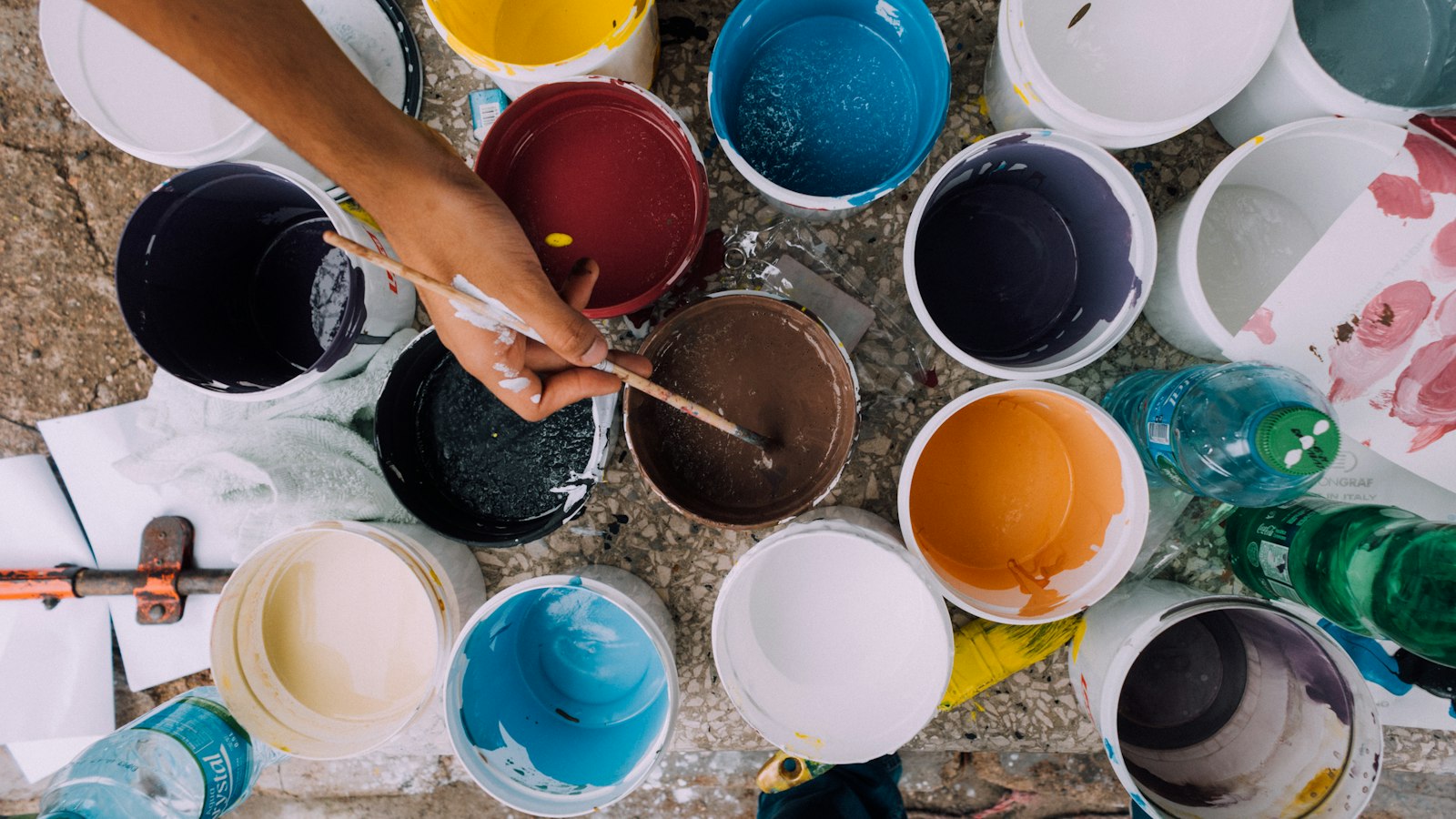
Find the spark, shape the turn and describe the work in plain words: how to write about a finished piece without jargon or false modesty.
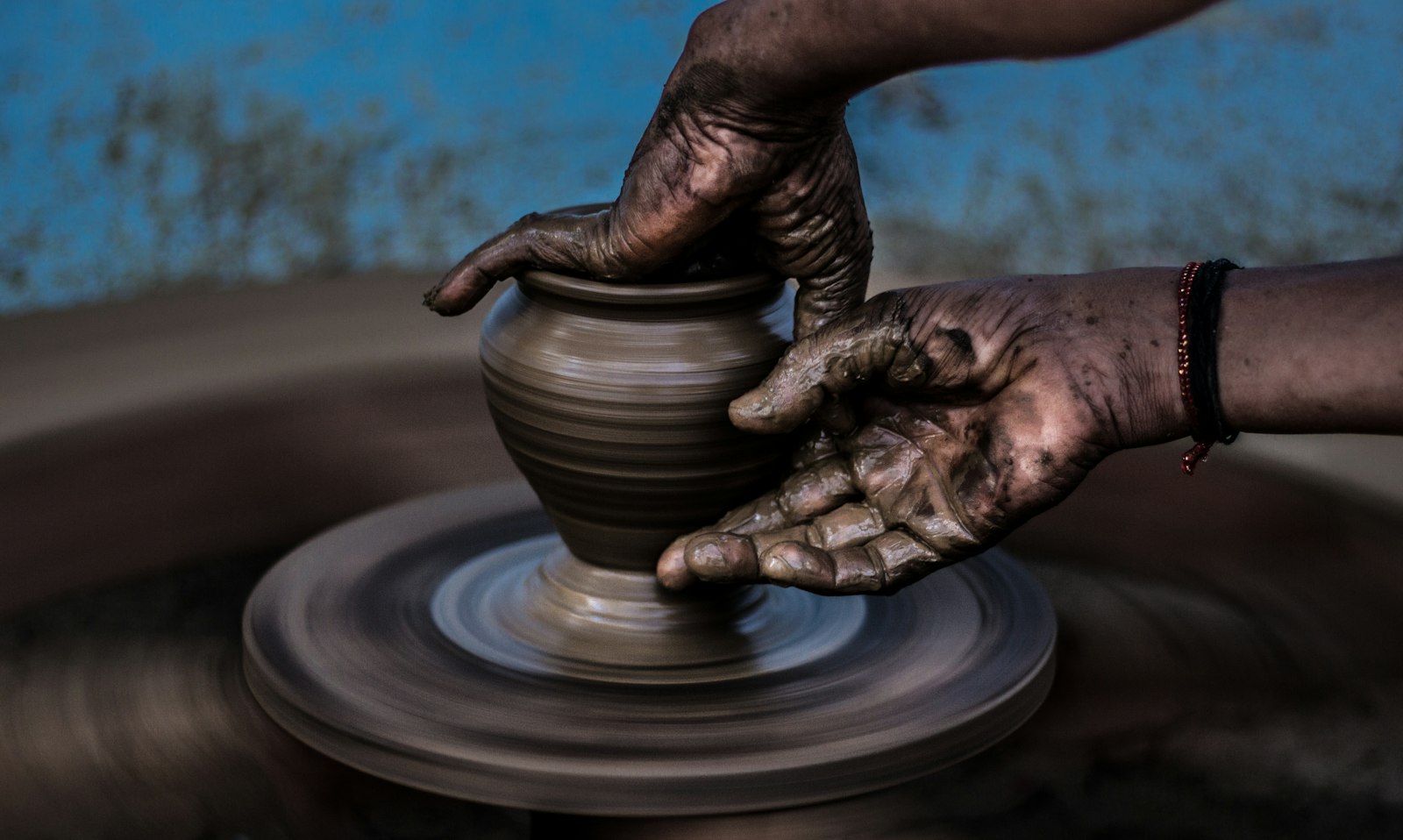
A cracked pot or a muddy print can be your most useful post. Structure it, separate what you know from what you suspect, and keep it kind.