Keep a Maker's Sketchbook You Actually Go Back To

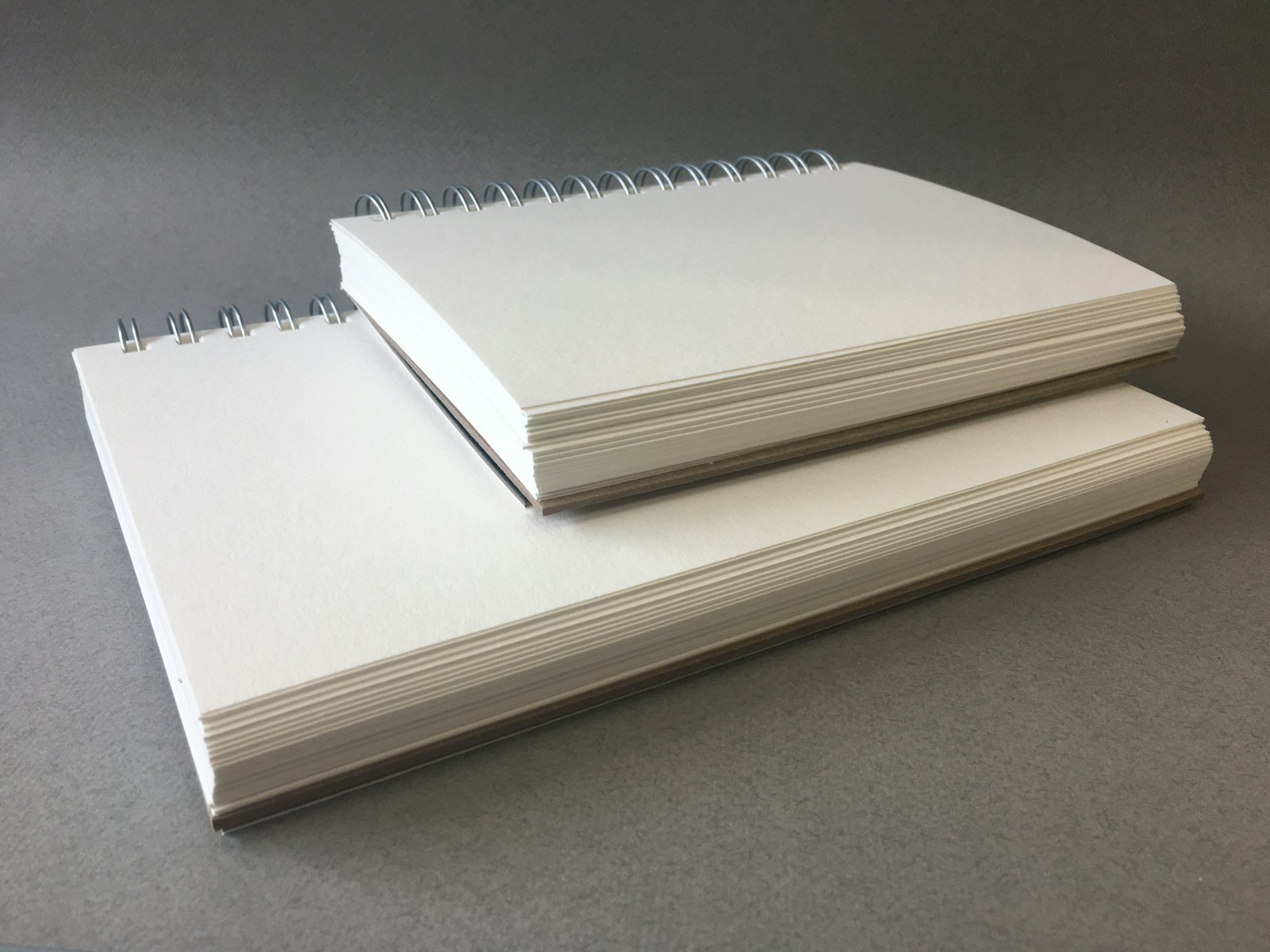
Somewhere on your shelf there is a sketchbook with the answer in it. Two winters ago you drew a hinge detail, or a colour pairing, or a clever way to fold the corner of a box, and you know it was good. So you pull down three books, flip through for twenty minutes, find a shopping list, a dozen mystery shapes and a chair you do not remember seeing, and then you give up and solve the problem again from scratch.
Plenty of sketchbook advice is about filling them: draw every day, buy nicer paper, stop being precious. Fine. But a full book you never reopen is storage with no door. This post is about the other half of the deal: small habits that make a sketchbook worth coming back to, whatever you make and however well you draw.
Know what the sketchbook is for
First, stop asking it to be everything. A build log follows one project from start to finish, and we cover that in documenting your project while you are still building it. A sketchbook works earlier and looser. It holds the things that are not projects yet: a joint you spotted on a park bench, three layouts for a poster nobody asked for, a question about how a strap meets a bag.
That looseness is the point, and also the trap. A log has a natural order, because the project does. A sketchbook has none. Ideas turn up whenever they like, next to a phone number and a coffee ring, so if you want to find anything later you have to add a little structure yourself. Happily, a very little will do.
Four marks that make any page findable
Give each page these before you close the book. It takes under a minute, and the pencil you drew with is all you need.
- The date. Month and year at least. Memory searches by era ("around when I was making the stools"), so give it something to search.
- A page number. Most sketchbooks arrive unnumbered. Number the corners in one go while you wait for something to dry.
- A few plain words. "Box corner, no glue." The drawing shows what it looks like; the words say what it is, in the terms you would use when hunting for it.
- A status mark. Invent a tiny code for the corner: a circle for "try this", a tick for "tried it", a cross for "no, and here is why".
Then reserve the last two pages as a contents list. Whenever a page seems worth finding again, add its number and those few words. Do not index everything. Most pages do not deserve it, and an index you resent is an index you will abandon.
Write down the question, not just the picture
Old sketches usually go dead for one reason: you can see what you drew but not why. Six months on, a bracket with an arrow pointing at it tells you nothing. Was the arrow the problem or the solution?
So annotate as if you were leaving a note for someone slightly forgetful, because you are. Beside any sketch worth keeping, jot down whichever of these applies:
- What you were trying to work out.
- Where you saw it, if it came from the world rather than your head.
- Measurements, paint names, paper weights, anything you would otherwise have to rediscover.
- What you would test first.
- Whose work it is, if you were studying a piece by someone else, so you can credit them if the page ever goes public.
Here is an invented example of how little it takes: "Shelf bracket, one piece of bent steel? Worried it flexes under books. Try in card first, then offcut." One line, and the sketch now holds an idea, a doubt and a next step. You can pick that up cold a year from now.
Make it hard to be precious
You cannot return to pages you never made, and the thing that often stops people making them is the book itself. A beautiful hand-bound sketchbook can sit blank for a year because nothing feels worthy of page one. If that sounds familiar, buy a cheap one, or scribble on the first page right now and get it over with.
A few more opinions from the bench:
- Keep one book going at a time. Separate books for ideas, colour and tests sound tidy, right up until the sketch you need is in the one at home. One book in date order means one place to look.
- Pick a size that travels. The right size is the largest one you will really carry. If it stays on the shelf, it misses the park bench.
- Keep the bad pages. No tearing out. An ugly attempt records what you already tried, and that is often exactly what you came back to find.
- Tape things in. Swatches, receipts, a test print, the label off a paint you liked. They can say more than a drawing, and they cost you no skill at all.
Put the return on the calendar
This is the habit that matters most, and it is almost embarrassingly small: once a month, read your own sketchbook. Fifteen minutes, a cup of something, a pencil in hand. No making allowed.
Go through every page since the last read and do four things:
- Update the status marks. Some circles have become ticks without you noticing.
- Add anything worth finding to the contents list.
- Answer old questions, with the date, in a different colour. "Flexes? Try card" followed by "it did, go thicker" beats ten tidy drawings.
- Pick one idea to carry forward and redraw it on the next fresh page. Redrawing is a quick test of whether you still care.
Hang the monthly read on something you already do, like clearing the bench on the first Sunday. Miss one, and the next just runs a bit longer; nothing is ruined.
When a book is full, write its date range on the spine and photograph the contents pages, so you can search your whole shelf from your phone. Then store it somewhere you can reach without a step stool. A book you have to climb for is a book you will not open.
Let old pages start new work
Sooner or later, a page with a circle on it will refuse to leave you alone. That is a project knocking. Copy the sketch and its question into a one-page brief and note the sketchbook page number on it, so the thread from first scribble to finished piece stays intact.
Those pages make great posts, too. The original sketch beside the finished piece is one of the most fun things you can show other makers, awkward proportions and all. On WhizArts you can place photos between paragraphs, and a category you name yourself, something like "From the sketchbook", gives those posts a shelf of their own; the toolkit page shows how it fits together. Before you photograph a page, check what else is on it. Phone numbers and addresses love to hide in margins.
So tonight, grab your current book, number the pages and write "contents" at the top of the last two. Then go and look at the oldest page you have. There is probably something in there worth stealing from yourself.
Made by
WhizArts Editors
The WhizArts editors' own studio log: hands-on notes for makers and storytellers on documenting a build, writing process posts, photographing your work and sharing what went wrong.
- 9 posts

Comments 0
Quiet in here so far. Kick off the conversation.